Inspect hail, wind uplift, roof openings, and interior water before deciding between dry-in, repair, and replacement.
Pearland Storm Damage Needs Careful Documentation
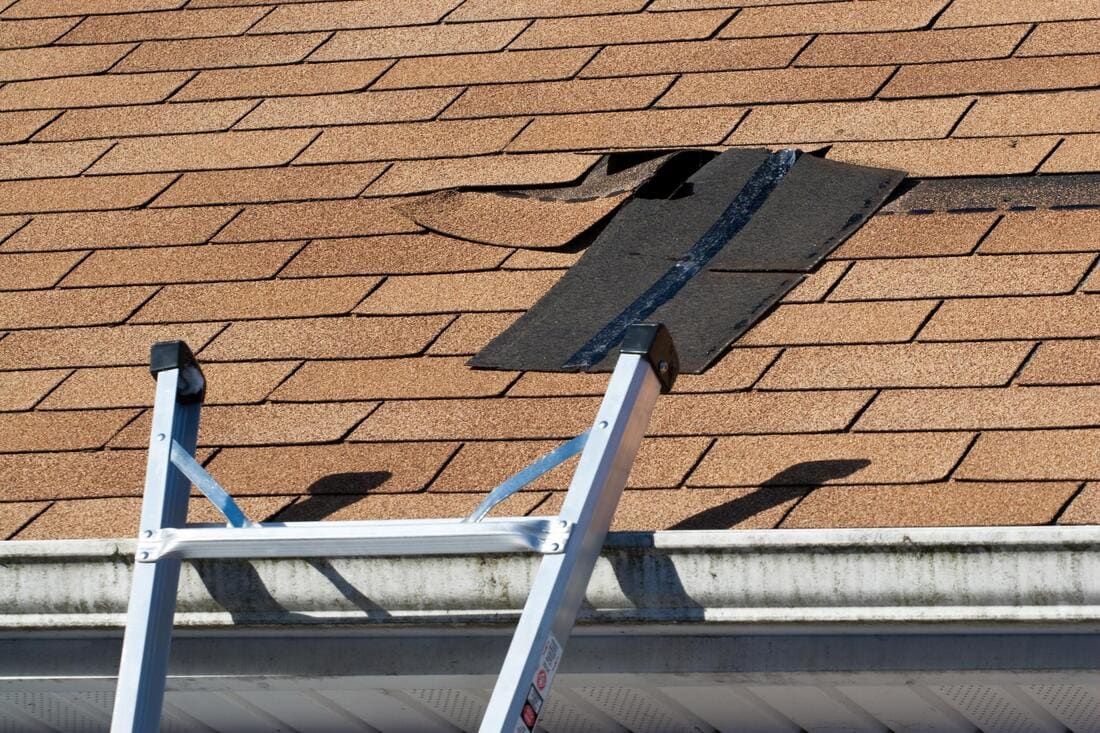
Pearland storm damage can arrive as hail impact, wind uplift, wind-driven water, or debris contact. Hail may bruise the shingle mat while leaving a less important surface mark nearby. Wind can break a sealed edge without carrying the tab into the yard. Rain then exploits the opening. A driveway view can identify obvious missing material, but it cannot establish how far damage extends or whether a dark spot is new, old, functional, or cosmetic.
Call (832) 769-5590 when shingles are in the yard, decking is exposed, a ceiling stain appears, vents or gutters show fresh damage, or water is near a light fixture. The first decision is safety and urgency. An open roof may need emergency dry-in before a full inspection; a sound, dry interior may allow the contractor to document carefully before recommending work.
What Gets Photographed
A useful storm inspection photographs the relevant slopes, hips and ridges, valleys, pipe boots, vents, flashing, gutters, downspouts, siding transitions, and interior symptoms. Close images should show the defect; wider images should establish its location on the roof. Notes should distinguish impact, uplift, old wear, maintenance issues, and any area the inspector could not reach safely. That record makes the proposed repair boundaries easier to understand.
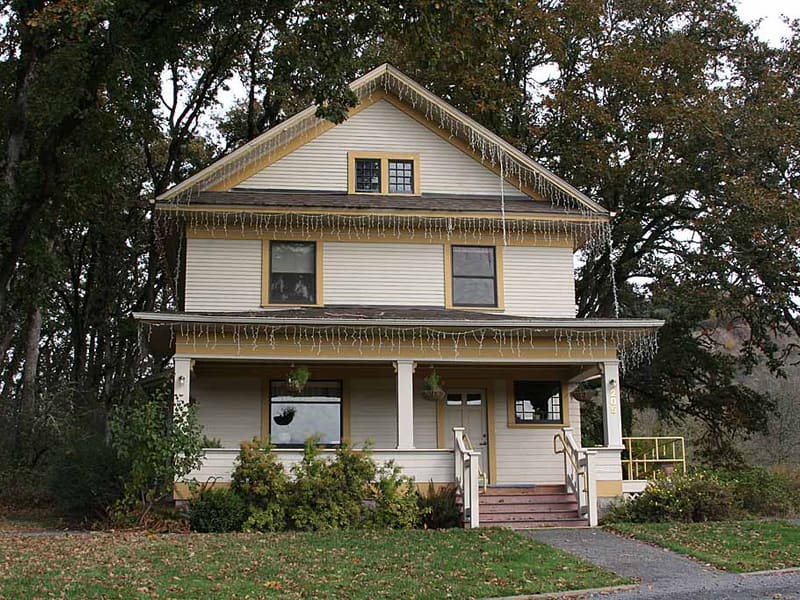
Pearland’s hip, gable, and intersecting subdivision rooflines do not receive weather evenly. A wind-facing edge may lose tabs while a sheltered plane remains intact, or one long valley may collect the water that reaches a bedroom ceiling. The written scope should identify affected planes, related components, temporary protection already installed, and the sound material where a repair will connect. Photos should support each line item rather than merely add volume to a report.
Storm photos should separate damaged slopes and components from normal roof aging before work is scoped.
Insurance Help That Stays Inside Texas Law
Contractor help stays on the construction side: documenting visible roof conditions, preparing a repair or replacement scope, explaining material and access needs, and meeting the adjuster on-site when appropriate. The insurer interprets coverage and makes the claim decision. No inspection photo, contractor opinion, or meeting can guarantee that outcome.
Texas HB 2102 makes it a crime for a roofing contractor to pay, waive, rebate, credit, or absorb any part of a homeowner's insurance deductible. The contractor may help document damage, prepare an itemized scope, and meet an adjuster on-site when appropriate, but claim decisions belong to the insurer. A deductible shortcut is a warning sign, even when it is disguised as advertising credit, upgraded material, or a side agreement.
Repair, Dry-In, or Replacement
A storm repair may replace a missing shingle field, ridge caps, damaged pipe boots, or a limited area opened by wind. Broader impact across multiple slopes, large areas of uplift, or heat-aged shingles that fracture during tie-in can shift the recommendation toward roof replacement. Ask the inspector to mark where repair ends and unaffected material begins. That boundary should be visible in the photos and reflected in quantities.
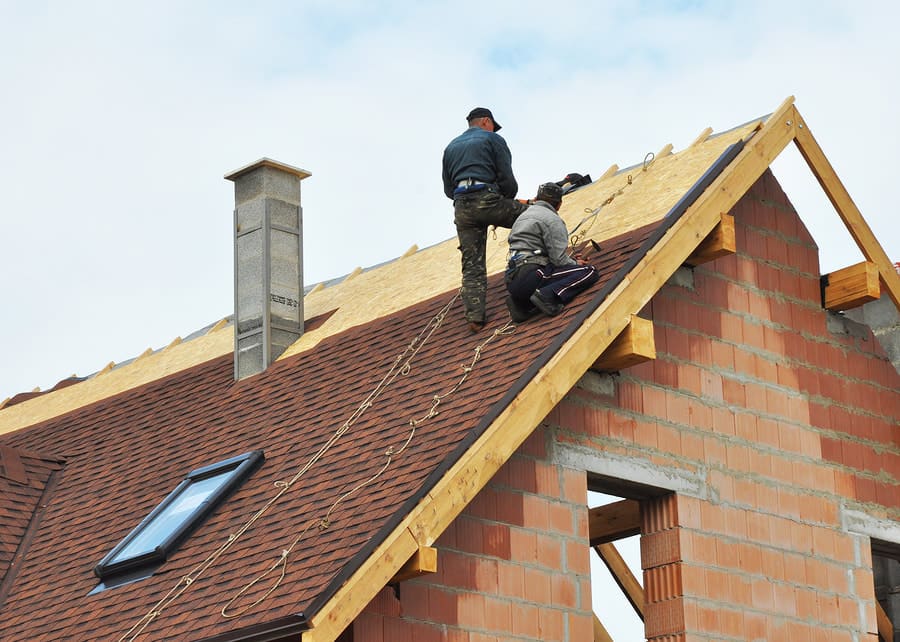
When water is entering, a tarp or dry-in protects the deck and rooms below while weather, safety, and material availability are sorted out. Permanent work should follow a separate written scope. Use the Pearland price guide for typical repair and dry-in ranges, then rely on the inspection-backed quote. Stabilizing the house first gives everyone time to choose the right permanent work without turning storm urgency into sales pressure.
Storm & Hail Damage Roof Repair Pearland TX FAQs
What should I do right after hail in Pearland?
Photograph visible conditions from the ground, record when the weather occurred, check ceilings and accessible attic areas safely, and call if shingles, vents, gutters, or interior finishes show damage. Do not climb onto wet roofing.
Can the contractor meet my insurance adjuster?
The contractor can attend an on-site meeting to identify observed construction damage and explain the proposed scope. The insurer still controls coverage, valuation, and the claim decision.
Does every hail mark require replacement?
No. The inspection should distinguish functional mat damage from cosmetic marks, old wear, manufacturing features, maintenance defects, and soft-metal evidence before recommending repair boundaries or replacement.