Is an emergency tarp a permanent roof repair?
No. A tarp or dry-in reduces exposure until the opening, surrounding shingles, flashing, and decking can be inspected safely. Permanent work should have its own written scope.
Emergency roof repair is appropriate for active water entry, exposed decking, torn-off shingles, debris impact, water near electrical fixtures, or an opening that cannot wait for routine scheduling. Call (832) 769-5590 and describe the indoor symptom first: room, ceiling location, drip rate, nearby lights, sagging finishes, and visible exterior damage from the ground. Those details help determine whether a contractor can safely dry in the roof or must wait for weather to clear.
Wind-driven Gulf Coast rain can spread across insulation, travel along joists, and collect above drywall before one drip becomes visible. The wet area may therefore be wider than the stain. The immediate objective is damage control and safe access. Final leak tracing, wet-deck removal, and material matching belong in the permanent leak repair scope after conditions allow a methodical inspection.
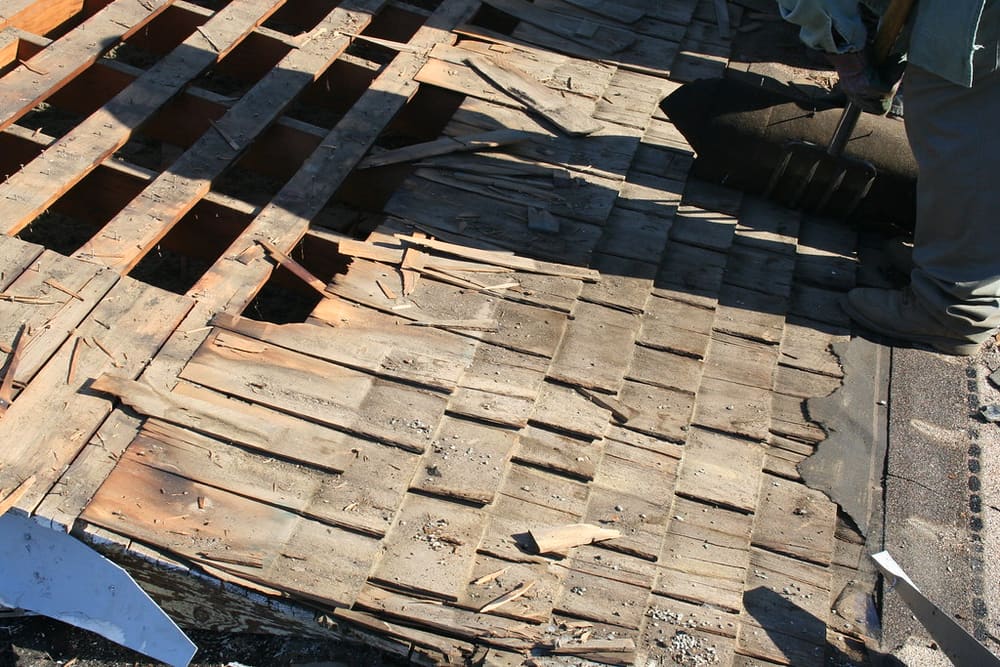
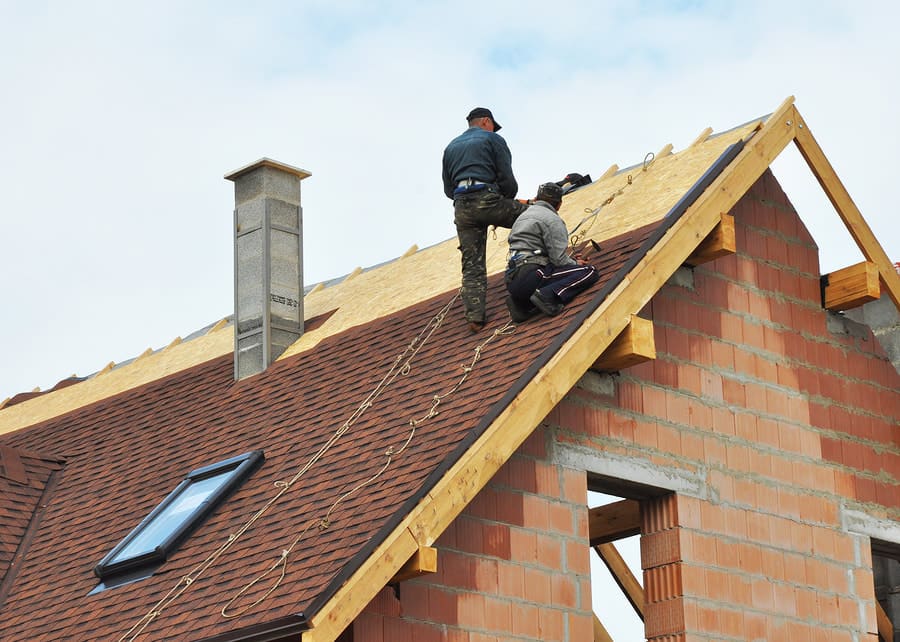
An emergency visit may use a secured tarp, temporary seal, board-up, or another dry-in method suited to the opening. The invoice or work note should identify temporary materials and the protected area. Ask how the cover is anchored, which edges remain vulnerable, and what indoor change should prompt another call. Once the roof is dry and safely accessible, the contractor can lift damaged material, check sheathing and underlayment, follow the interior water path, and prepare the permanent scope. Temporary protection should never be presented as the finished repair.
Emergency tarp and dry-in work commonly falls in the $300–$850 planning range around Pearland. Roof height, pitch, access, opening size, weather, and the material needed to anchor protection affect the quote. The roof repair cost guide places that range beside minor, moderate, and major work. During widespread Gulf Coast weather, accurate details about active water and exposed surface help prioritize calls without promising an unsafe arrival time.
After widespread hail, straight-line wind, or sustained tropical rain, active leaks and exposed roof surfaces are usually the first triage category. Routine inspection and maintenance requests may wait behind dry-ins. Safe roof access also depends on rain, lightning, wind, visibility, and the condition of the deck. A responsible scheduler should explain those limits and separate estimated arrival from the date of permanent work.
Keep indoor photos, exterior photos taken safely from the ground, and the dry-in invoice when insurance may be involved. Texas HB 2102 makes it a crime for a roofing contractor to pay, waive, rebate, credit, or absorb any part of a homeowner's insurance deductible. The contractor may help document damage, prepare an itemized scope, and meet an adjuster on-site when appropriate, but claim decisions belong to the insurer.
No. A tarp or dry-in reduces exposure until the opening, surrounding shingles, flashing, and decking can be inspected safely. Permanent work should have its own written scope.
Possibly, but safe response depends on lightning, wind, visibility, pitch, access, roof condition, and call volume. Phone triage determines whether temporary work is feasible or access must wait.
Share the address, where water appears, whether it is near electrical fixtures, roof material if known, visible missing material, safe access notes, and the weather or impact that preceded the symptom.
Pearland Roof Pros
(832) 769-5590Emergency triage begins with the indoor hazard and exposed roof area, then moves to permanent repair after safe access. Keep the temporary-work record so the later scope can identify what was covered, anchored, or sealed before the full inspection.