Open Exposure Changes Alvin Roof Repairs
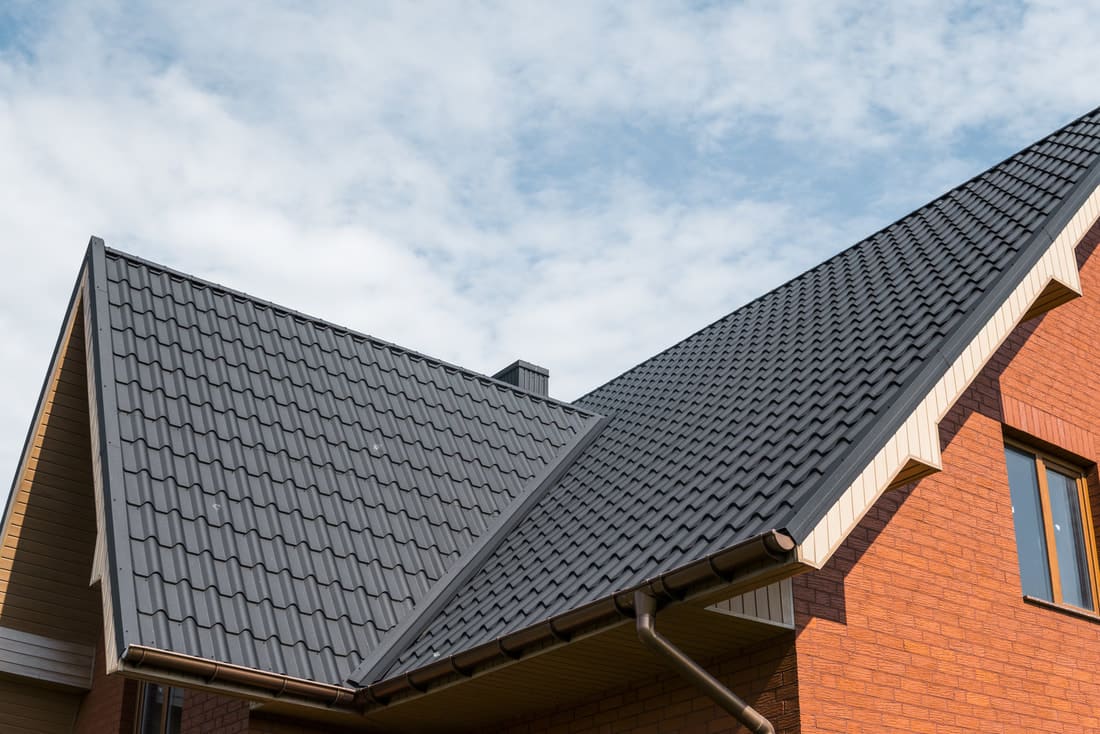
Open-lot wind can reach an Alvin roof edge without much shelter, creating uplift at eaves, corners, hips, and ridge caps. A tab may lose its seal before it disappears, allowing hard rain beneath the shingle field. Call (832) 769-5590 when material lands in the yard, a ridge looks uneven, or a stain follows a storm line. Storm inspection should compare exposed and sheltered slopes rather than assume the entire roof changed equally.
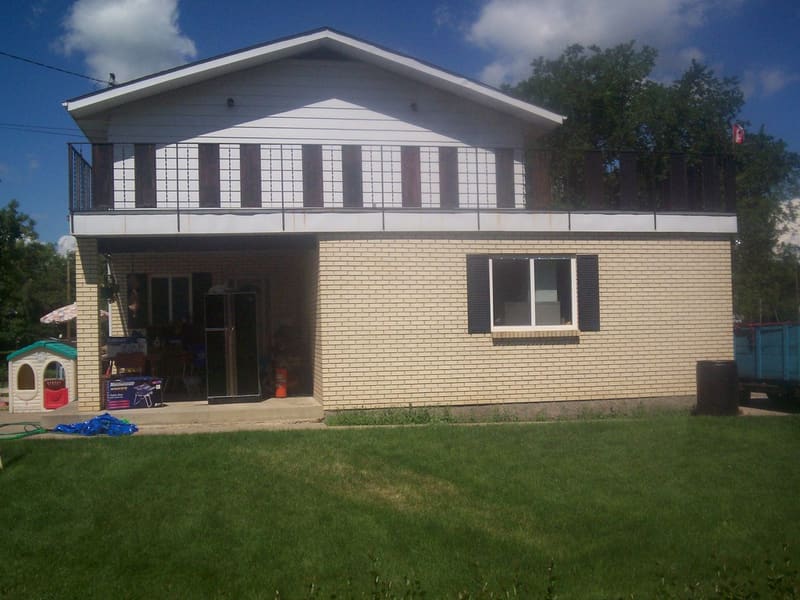
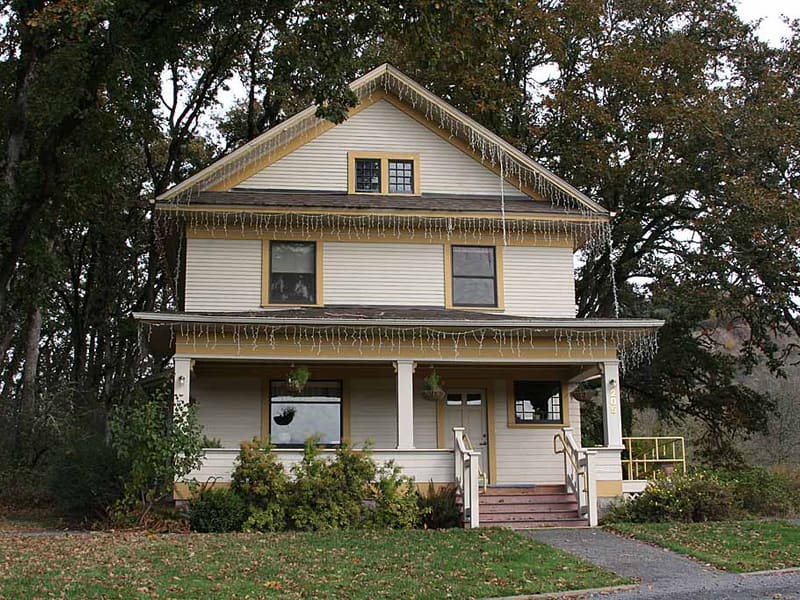
Alvin work also spans older roof transitions, subdivision roofs, and rural-edge properties with different drainage and access. The contractor should identify the leaking structure, roof material, earlier patches, visible deck condition, and how additions or outbuildings connect to the main house. At an older transition, water may cross where two pitches meet, where flashing disappears behind cladding, or where a newer covering was tied into material that no longer lifts cleanly. Photograph both materials and state which layer must be removed. Rural-edge access also matters: gate width, ground conditions, ladder placement, and distance from a work area to debris collection can change labor without changing the defect. That inventory prevents a repair written for one slope from ignoring a second material or transition that actually channels the water.
Hail and Wind Documentation
Hail across the Brazoria County prairie may leave clearer evidence on vents or gutters than on shingles viewed from the ground. Inspection photos should show each affected plane, close impact or uplift conditions, ridge and vent components, gutter edges, and indoor symptoms. A full condition check also separates recent weather from old granule wear, exposed fasteners, and earlier repairs so the construction scope does not overreach.
Texas HB 2102 makes it a crime for a roofing contractor to pay, waive, rebate, credit, or absorb any part of a homeowner's insurance deductible. The contractor may help document damage, prepare an itemized scope, and meet an adjuster on-site when appropriate, but claim decisions belong to the insurer. Treat construction evidence as support for a repair decision, never as a promised claim result.
Repair Planning
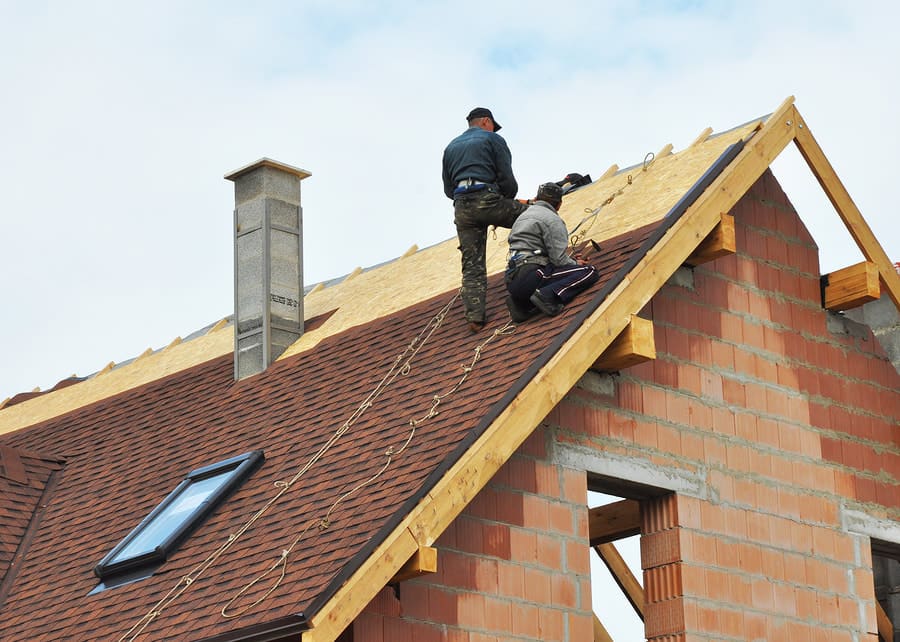
Small Alvin repairs may involve a pipe boot, exposed fastener line, loose ridge cap, or limited wind-lifted field. Valley rebuilding, leak tracing, and a decking patch often move into moderate work. If material breaks during ordinary handling or separate defects appear across several slopes, compare the repair price with replacement planning instead of paying repeatedly for fragile tie-ins.
The written scope should identify the structure, roof plane, matching material, access, removal boundary, cleanup, and the process for hidden decking. Use the Pearland cost guide for typical minor, moderate, storm-section, and dry-in ranges. If an opening is actively admitting rain, start with temporary dry-in guidance; permanent work can be measured after the roof is safe and visible.
Pearland Roof Pros
(832) 769-5590Alvin roof scopes should identify the structure, wind-facing plane, material transition, and sound surface where the repair will finish. Access and debris handling should be written separately from the physical defect.